


Praesidium Child Abuse Prevention Accreditation
Praesidium specializes in preventing sexual abuse in organizations that serve youth and vulnerable adults. Over a period in excess of 30 years, the company has reviewed over 4,000 cases of abuse within organizations to determine the root causes of sexual abuse within organizational settings. Praesidium employs more than 50 staff, including licensed social workers, lawyers, health care researchers, and other experts. The company has served over 5,000 clients with a broad range of products and services to aid organizations in preventing abuse, including online and instructor–led trainings, organizational risk assessments, model policies, and background checks. Having trained more than one million people online and hundreds of thousands in person, Praesidium is the largest and most comprehensive sexual abuse risk management firm globally.

1. KNOW
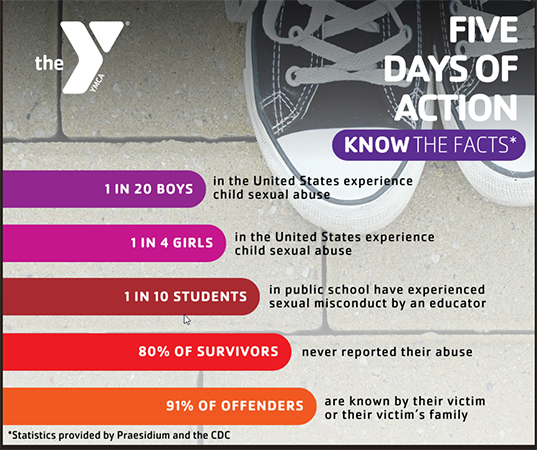
KNOW how to recognize boundary violations and how offenders operate. It’s up to us as adults to do all we can to prevent child sexual abuse and create safe environments for children. Teaching children about their bodies, recognizing warning signs, and responding to any concerns are important first steps. Even very young children can learn some skills to help keep themselves safe from sexual abuse, but it’s up to parents to help them learn what they need to know. Here are some important things you can teach that will help you help your child stay safe.
Teach Your Child Rules About Touching Their Body
Preschoolers understand the idea of rules, such as rules about playing nicely with others and rules about being safe, like wearing seat belts. So, as you teach these rules, just add rules about touching their bodies.
First, talk to your child about body parts, including private parts. This will give your child words to use when he/she needs to tell you anything about his/her body, like an injury or rash or other problem in that area.
Then add rules about private parts, like “Never let other people touch your private parts unless Mommy or Daddy knows about it.” Children also need to know what to do when someone breaks the rules about touching. Teach them:
- What to say to someone who breaks the rules about touching
- To move away from someone who is breaking the rules about touching
- To tell you or another adult if someone breaks the rules about touching
- Phrases so he/she can tell others to stop and practice saying them with your child
- Teach your child to say this anyone who invades their privacy (other children as well as to adults)
- To move away from anyone who is breaking the rules about touching
- Tell your child that it’s ok to get out of someone’s lap or pull away from a hug, even if an adult asks them not to
- To tell you or another adult, like a teacher or caregiver, if someone breaks the rules about touching them.


2. SEE
SEE. Keep your eyes and ears open for signs of abuse and talk with your child, asking them about your concerns. If something is wrong, you may see a sudden change in your child’s behavior, or you may hear unusual comments. If you see or hear these things, follow up. Find a relaxed time to talk with them.
Child Abuse Warning Signs
- Frequent or unexplained bruises or injury
- Unkempt or malnourished appearance
- Bathing frequently; obsessive cleanliness
- Disturbed sleeping or eating patterns
- Inability to stay awake or concentrate for extended periods
- Abrupt changes in behavior, anxiety, clinging, aggressiveness or withdrawal
- Sudden, dramatic changes in activities or personality
- Sexually transmitted diseases and infections
- Fear of a certain person (this can include other minors) or place
- Discomfort with physical contact
- Fearfulness or depression
- Aggression toward adults or other children
- Abuse of other children
- Nervousness around adults
- Low self esteem
- Displays knowledge or interest in sexual acts inappropriate to his/her age
Watch for these things in adults that may signify potential abuse. Remember, offenders seek access, privacy & control.
Emotional Boundry Violations
- Making them feel important, cared about and understood
- Spending too much time with them
- Choosing favorites
- Giving gifts
- Acting possessive
- Sending excessive or inappropriate text messages
- Pretending to be the child’s friend on social networking sites like Facebook
- Sharing personal information to make the child feel like they have a special relationship
- Promising extra coaching time, a college scholarship, a place on a national team or even an Olympic Team spot!
Behavioral Boundry Violations
- Offenders manipulate kids into doing things they wouldn’t otherwise do, such as:
- Sneaking around by saying they will be in one place when actually they are in another
- Keep secrets with the offender
- Look at pornography
- Use drugs or alcohol
Physical Boundry Violations
- Tickling
- Horseplay
- Hugging
- Massaging
- Wrestling
- Going overboard with affection
3. RESPOND
RESPOND. If you see warning signs from your child or adult, or you hear about something that sounds like abuse, report it immediately. If your child tells you about sexual abuse or inappropriate behavior, here’s how to react. Your response plays a big role in how your child understands abuse and how he/she recovers.
- Stay calm
- Comfort your child
-
Listen carefully.
- Ask for examples.
- Do not threaten or criticize the person your child is accusing.
RAPTOR
Our Y uses Raptor, a leading security system which provides instant screenings of members and visitors through their driver’s licenses or other state-issued identification. The scan provides information/alerts on any registered sex offenders in all 50 states. If a potential threat is identified through Raptor, instant alerts are sent and the individual is notified. If you have questions about Raptor, please contact Renee Welch, Member Services Director, Our Y also has a sex-offender notification system through Y-USA.